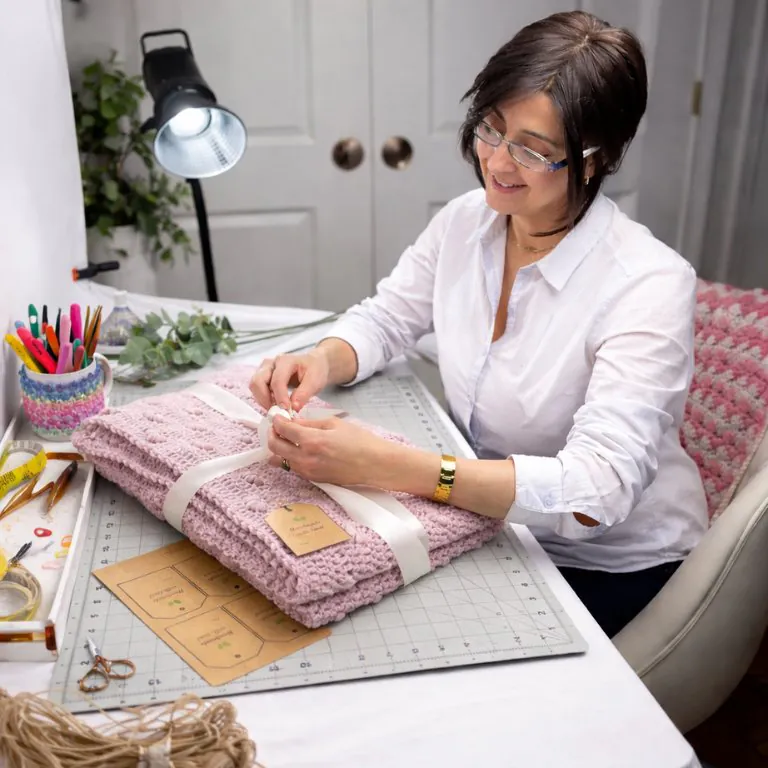
Do you love making crochet bags but worry about how to prevent them from stretching out of shape? You’re not alone!
While crochet bags are stylish and fun to make, they can sometimes lose their structure over time. But don’t worry—I’ve got you covered! In this post, I’ll share my top tips and tricks to help you create a sturdy, functional, and no-stretch crochet bag that holds its shape beautifully.
Whether you’re making a tote, crossbody, or market bag, these simple techniques will ensure your handmade creation stays as gorgeous as the day you finished it.
Related: Must-Know Crochet Tips
Before We Get Started
I just want to say thank you so much for stopping by The Crochet Village! This is my little corner where we can share the joy of crochet and create something truly special together. I’d really appreciate it if you could share this post—it helps me keep creating more free patterns for you!
And guess what? There are even more free patterns coming your way soon! Be sure to sign up for my emails so you don’t miss a thing.
The Best Yarn Choices to Prevent Crochet Bags from Stretching
I’m sure you already know that cotton yarn is the best choice to prevent your crochet bag from stretching—but did you know you can also work with other yarns and achieve great results? The key is understanding the properties of each yarn and how to use them effectively. Here are my top yarn choices, along with specific tips to keep your crochet bag sturdy and functional.
1. Mercerized Cotton: Is one of my go-to yarns for firm crochet bags. It’s strong, durable, and super easy to work with. Plus, it has a beautiful shine that adds a polished finish to your projects. The stitch definition is excellent, making every detail stand out.
Most brands offer a wide range of vibrant color options. Some of my favorites include Lion Brand 24/7 Cotton, Caron All Day Cotton, and Yarn Bee Fundamental Cotton .
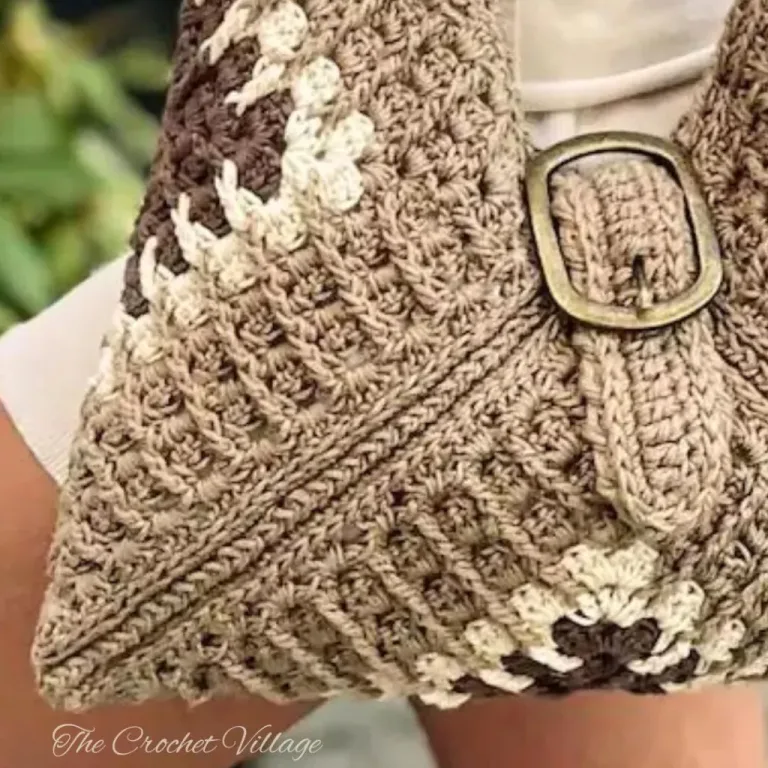
2. Worsted Weight Cotton: I love using regular worsted weight cotton for crochet bags, but I’ve learned that a little extra effort is needed to keep crochet bags from stretching. Lining the bag and reinforcing the base and handles really helps maintain its structure. Keep reading to learn how!
Some of my go-to yarns for this are Lily Sugar’n Cream, Hobby Lobby’s I Love This Cotton, and Paintbox Cotton Aran. These yarns are perfect for creating a sturdy yet soft bag that lasts and looks great!
3. T-shirt Yarn: I’ve used t-shirt yarn a few times for crochet bags, and while it makes thick, sturdy and no-stretch totes, it is a little hard to work with and only allows for basic stitches. The stitch definition isn’t as sharp, and it’s harder to shape the bag the way I want. I also think lining is a must to keep the inside clean and functional.
Personally, I prefer using t-shirt yarn for baskets because of the chunky texture, but it can still work for simple designs. If you’re curious, here are a few options I’ve tried: Bernat Maker and NDICANG t-shirt yarns.
4. Acrylic Yarn & Cotton Blends: These yarns tend to stretch the most, so a little extra care is needed. I always use a smaller hook and work with tight stitches to keep the bag firm. For straps, I prefer sturdier alternatives like wooden handles, strap replacements, or doubling the yarn to crochet Romanian cords—just like I did in my Lemon Drop Beach Bag.
A heavier-weight yarn also adds stability; my Safari Bag, made with #5 bulky yarn, turned out both sturdy and stylish! And if you’re using acrylic yarn, adding a lining is a must to help maintain its shape.

Use a Smaller Hook to Keep Crochet Bags Firm
No matter what yarn fiber you choose, one of the easiest ways to make your crochet bag sturdier is to use a smaller hook size than what’s recommended on the yarn label. This creates tighter stitches, which means less stretch and more structure for your bag. Loose stitches can cause your bag to sag over time, but by simply going down a hook size or two, you’ll get a firm, durable fabric that holds its shape beautifully.
Reinforce the Base to Reduce Stretching
Depending on the style of your bag, you may need a firm base to help it keep its shape—and trust me, it makes a big difference! I highly recommend using fabric interfacing. It’s a sturdy material that comes in different thickness levels. I personally love using extra-firm interfacing, which you can find at any craft store.
It’s super easy to use! When you finish crocheting the base of your bag, simply place it on top of the interfacing, cut around it, and set it aside until your bag is done. Then, you can attach it by sewing or using fabric glue. You can even use interfacing to reinforce the panels for extra structure! Another great alternative is to crochet a second base and sew them together for double thickness.
How to Prevent the Strap from Stretching
One of the biggest troublemakers when it comes to stretching is the bag strap—especially if you’re using acrylic yarn. Trust me, I’ve been there… ending up with a bag hanging down to my knees! 😂 But don’t worry, there are plenty of ways to keep your strap sturdy and in place:
- Double or triple your yarn – This adds extra strength and reduces stretching.
- Use a smaller hook and tight stitches – Single crochet (SC) works great for firm straps.
- Add a round of slip stitches (SL ST): Once you finish your strap, crochet slip stitches all the way around. This helps keep the strap from stretching out and adds extra support.
- Crochet a sturdy cord – A Romanian cord makes a strong and stylish strap.
- Make your strap shorter than needed – Yarn stretches over time, so starting a couple of inches shorter helps maintain the perfect length.
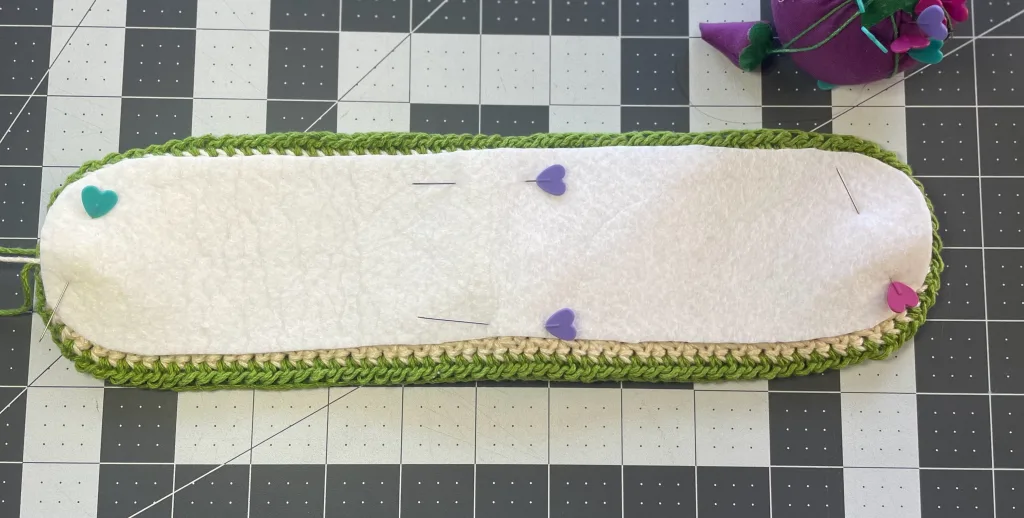
- Line your strap with fabric – A little hand-sewing goes a long way! Just place your strap on fabric, cut around it, pin it in place on the wrong side, and sew. It adds a polished look and extra durability.
- Use non-crocheted straps or handle replacements – There are so many stylish and functional options! I love using wooden handles for handbags and adjustable straps for crossbody bags.

Line Your Bag for Added Firmness and Structure
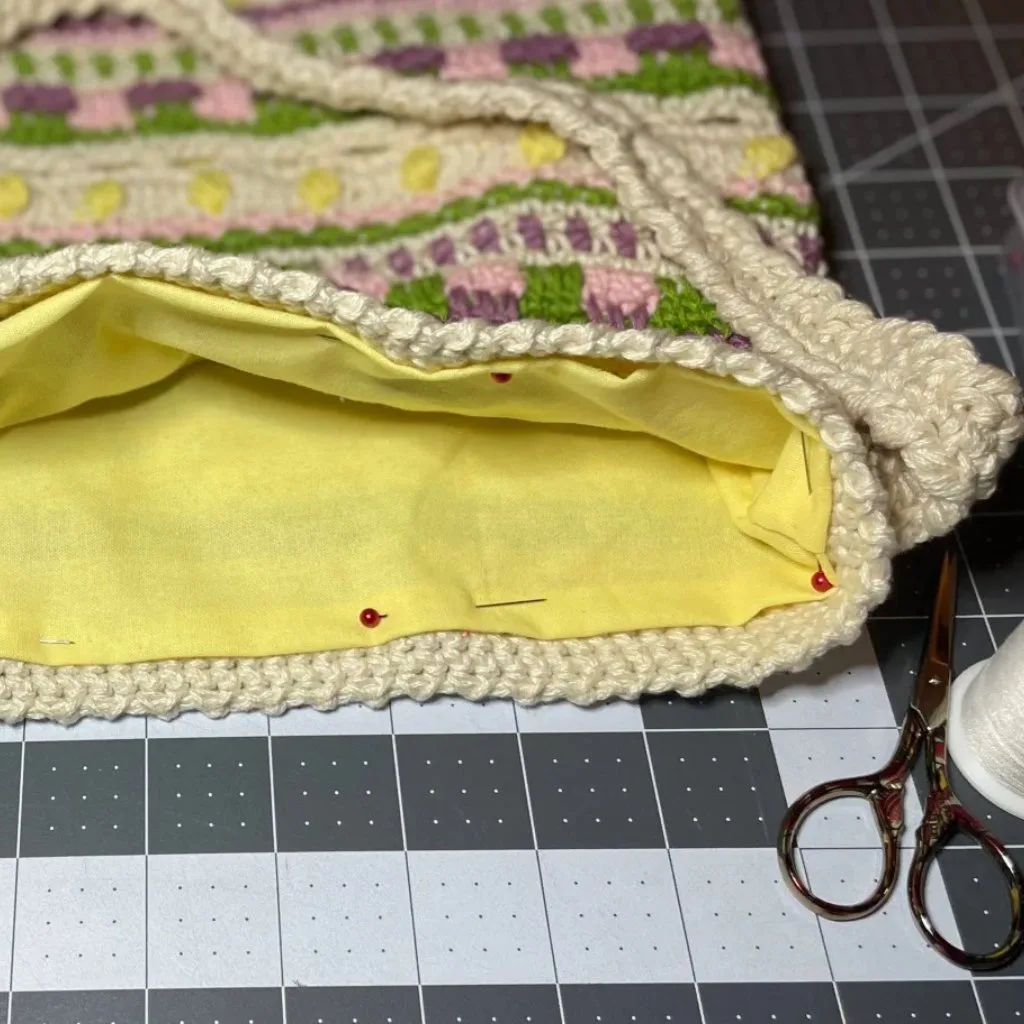
I know, I know—lining a bag sounds intimidating, especially if sewing isn’t your thing. But trust me, it’s not as bad as it seems, and the best part? You only need basic hand-sewing skills! Lining adds structure, prevents stretching, and gives your bag a professional, polished look.
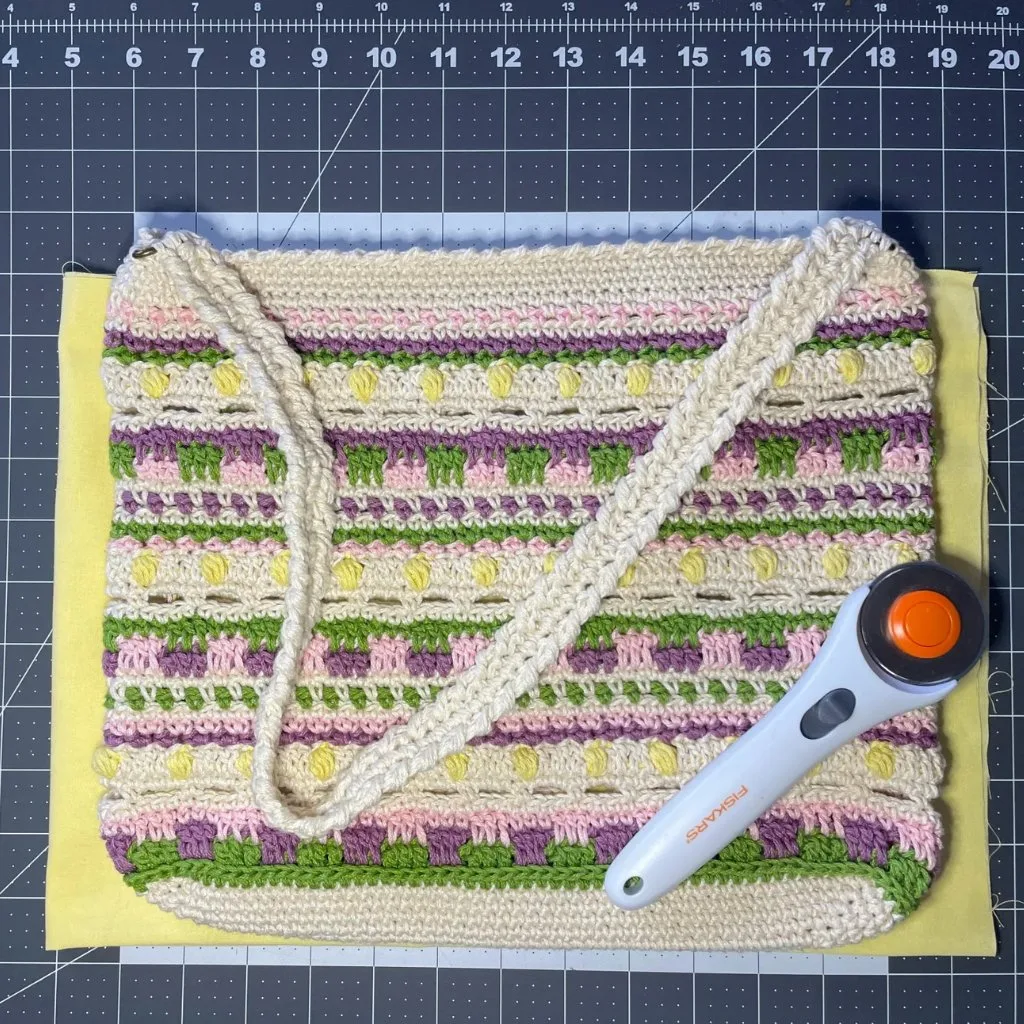
Here’s how to do it: Simply place your bag on the fabric, trace around it (leaving about half an inch for seam allowance), and cut out the fabric. Fold and hem the edges for a clean finish, then pin the fabric inside the bag, aligning it neatly. Finally, hand-sew it in place using a simple running stitch or whip stitch. Take your time—it’s totally worth the effort! 😊
Final thoughts
With a few simple tricks, you can easily prevent your crochet bag from stretching and ensure it stays looking fabulous for years to come! Whether you’re reinforcing the base, tightening up your straps, or adding a lining for extra durability, these steps will give your bag that perfect balance of structure and style.
Don’t be afraid to experiment with different yarns and techniques to find what works best for your project. Happy crocheting, and enjoy making your sturdy, no-stretch crochet bags that will last! 😊🧶